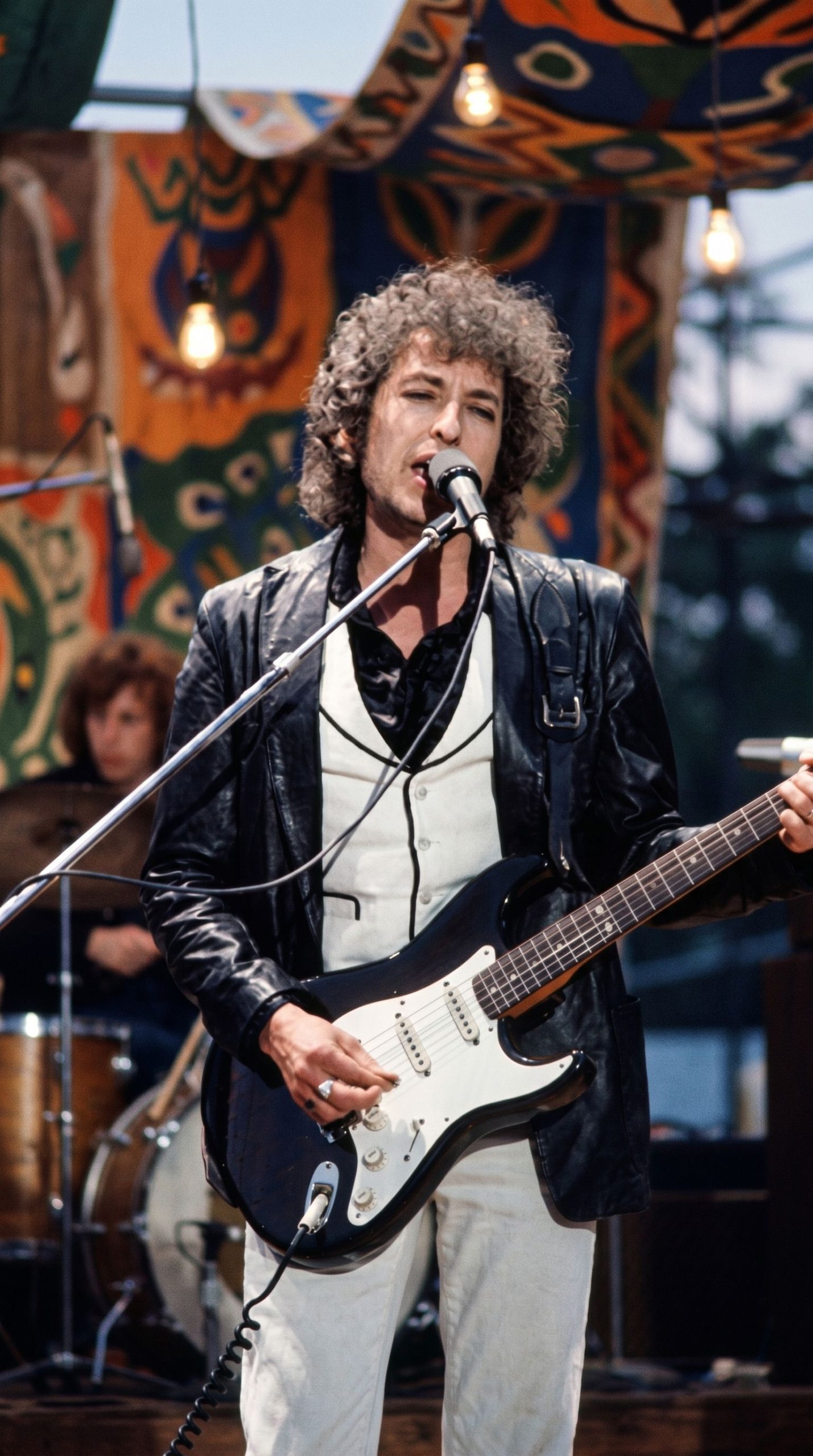
THE ALBUM THAT REVIVED BOB DYLAN’S LATE-CAREER LEGACY: Why Many Fans Point to Rough and Rowdy Ways
For decades, critics and fans alike have wondered how long Bob Dylan could continue defying expectations.
After transforming popular music in the 1960s, surviving changing musical trends, and building one of the most celebrated catalogs in modern history, the legendary songwriter had seemingly already accomplished everything an artist could hope to achieve. Yet one question continued to linger:
Could Bob Dylan still create another masterpiece late in his career?
In 2020, many listeners felt they received a powerful answer.
The album was Rough and Rowdy Ways.
Released when Dylan was nearing eighty years old, the record immediately stunned critics and longtime fans. Rather than sounding like a nostalgic look backward, the album presented an artist still fully engaged with history, culture, mortality, faith, memory, and the mysteries of human existence.
The response was extraordinary.
Major publications around the world praised the album’s lyrical depth, atmospheric production, and emotional weight. Many reviewers described it as one of the strongest records of Dylan’s entire career—an astonishing achievement for an artist already more than six decades into his journey.
For many supporters, Rough and Rowdy Ways did more than succeed commercially or critically.
It launched a remarkable late-career renaissance.
At a time when many legendary performers rely primarily on nostalgia, Dylan demonstrated that he was still capable of producing ambitious and relevant new work. The album reminded audiences that he remained a creative force rather than simply a historical figure.
That impact became even more significant in the years that followed.
As Dylan continued touring and performing songs from the album, fans increasingly began viewing Rough and Rowdy Ways as the defining statement of his later years. Discussions across fan communities frequently described it as the record that reignited public appreciation for Dylan’s contemporary work.
Among the album’s many highlights, one song quickly became the centerpiece of the conversation.
That track was Murder Most Foul.
Running nearly seventeen minutes, the song shocked listeners with its ambition and scope. Using the assassination of John F. Kennedy as a starting point, Dylan created a haunting meditation on American culture, memory, tragedy, and music itself.
Few expected a seventeen-minute song from an artist in his late seventies to become one of the most discussed releases of the year.
Yet that is exactly what happened.
For many fans, Murder Most Foul became the moment that changed everything.
The song demonstrated that Dylan’s creative instincts remained intact. It showed that he was still willing to take risks, challenge audiences, and pursue ideas that few other artists would even attempt.
In doing so, it reinforced the central message of the album:
Bob Dylan was far from finished.
Today, years after its release, Rough and Rowdy Ways continues to occupy a special place within Dylan’s catalog. Many listeners regard it as one of the greatest late-career achievements ever produced by a major recording artist.
Whether future albums arrive or not, the record has already secured its place in music history.
It reminded the world that greatness does not always belong to youth.
Sometimes, it belongs to an artist who continues evolving long after others have stopped trying.
And for countless fans, Rough and Rowdy Ways was the album that proved Bob Dylan could still surprise the world—one more time.