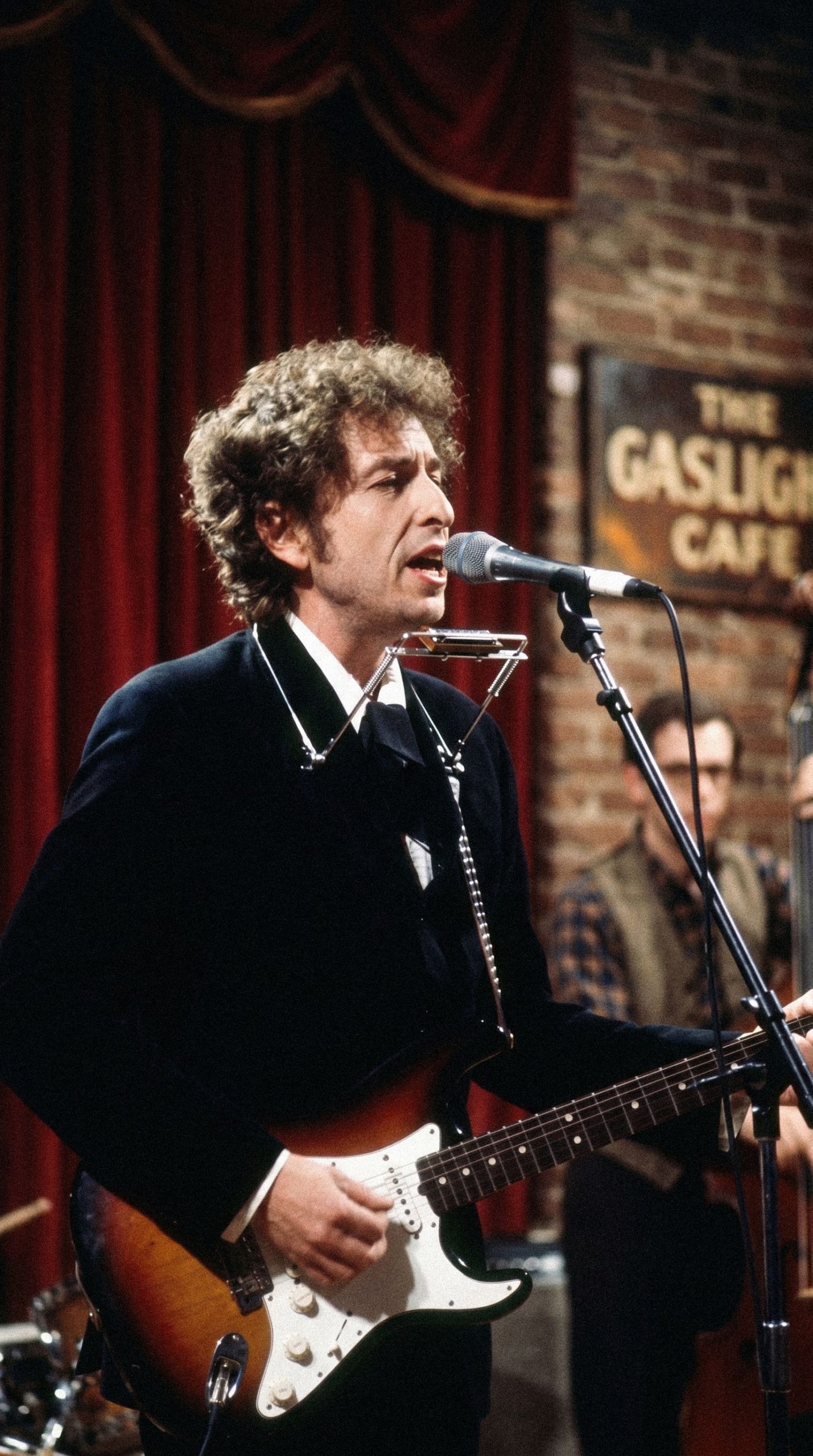
THE SONG THAT SAVED BOB DYLAN’S CAREER: How “Most of the Time” Helped Spark a Remarkable Revival
By the late 1980s, Bob Dylan found himself in an unfamiliar position.
For more than two decades, he had been celebrated as one of the most important songwriters in modern music. Yet critics were increasingly questioning whether his most creative years were behind him. Several albums had received mixed reviews, commercial success had become less consistent, and some observers wondered whether the artist who transformed popular music in the 1960s could still produce work worthy of his legendary reputation.
Then, in 1989, everything began to change.
That year Dylan released Oh Mercy, an album that many fans and critics now regard as the beginning of one of the most impressive late-career revivals in music history.
Among its standout tracks was Most of the Time.
While the album contained several acclaimed songs, “Most of the Time” quickly emerged as one of its emotional centerpieces. On the surface, the song appears to describe a person insisting that he has moved on from a lost relationship.
“I don’t even think about her…”
At least, that is what the narrator repeatedly claims.
Yet with each verse, listeners hear the opposite.
The carefully controlled words gradually reveal lingering heartbreak, denial, loneliness, and emotional vulnerability. The result is one of the most subtle and psychologically complex songs Dylan ever wrote.
Critics were stunned.
After years of inconsistent reviews, many writers praised the song’s maturity, craftsmanship, and emotional depth. It reminded audiences that Dylan remained capable of writing lyrics as powerful and insightful as those that had made him famous decades earlier.
The song’s reputation grew even further in the 1990s.
A memorable appearance in High Fidelity introduced “Most of the Time” to a younger generation of listeners. The film’s use of the song highlighted its themes of heartbreak and self-deception, helping many new fans discover Dylan’s later work.
For that reason, some longtime admirers point to “Most of the Time” as the song that symbolized Dylan’s artistic comeback.
Of course, no single track completely rescued his career on its own.
The success of Oh Mercy as a whole played a crucial role. So did the work that followed, including acclaimed albums such as Time Out of Mind, Love and Theft, and later masterpieces that cemented his status as one of the few artists to achieve major creative peaks across multiple decades.
Yet many fans still return to “Most of the Time” when discussing the turning point.
The song arrived at a moment when expectations had fallen. Instead of attempting to recreate the protest songs or folk anthems of his youth, Dylan delivered something more intimate and universal—a portrait of human self-deception rendered with remarkable honesty.
That honesty resonated deeply.
Listeners who had doubted Dylan’s relevance suddenly found themselves paying attention again.
Critics who had begun writing about decline were forced to reconsider.
And fellow musicians were reminded that one of the greatest songwriters in history still had plenty left to say.
Today, more than three decades later, “Most of the Time” remains one of the most beloved songs from Dylan’s later catalog.
Whether it truly “saved” his career is open to debate.
But few would deny that it helped announce something important:
Bob Dylan was far from finished.
In fact, one of the most remarkable chapters of his career was only just beginning.