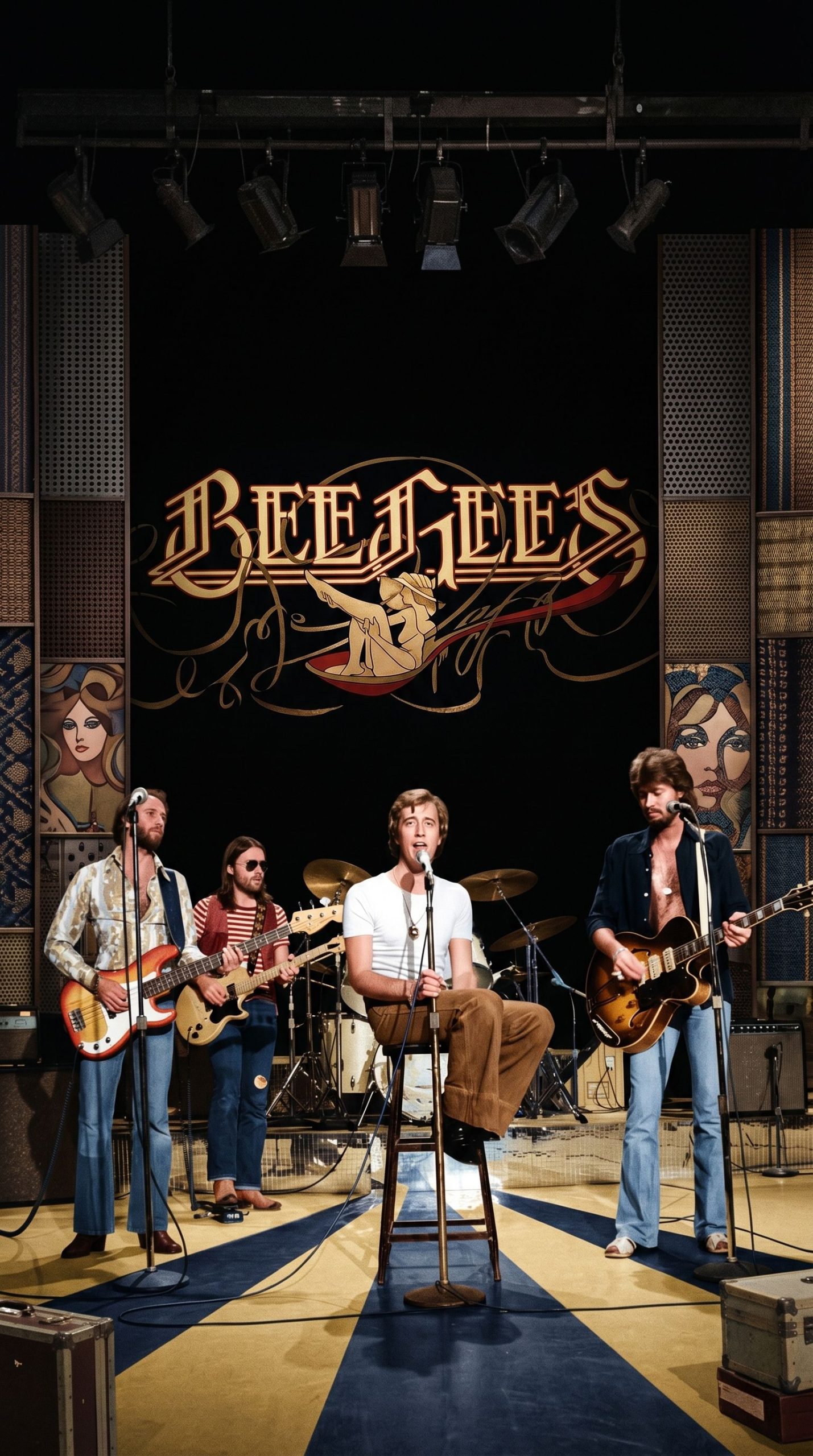
THE BEE GEES’ SURPRISING TRIP WEST: How “Come Home Johnny Bridie” Showcased the Group’s Country-Rock Side
When most listeners think of the Bee Gees, they picture soaring harmonies, unforgettable pop melodies, or the disco classics that dominated the late 1970s. But hidden within the trio’s extensive catalog are moments that reveal just how adventurous the Gibb brothers could be.
One of the best examples is “Come Home Johnny Bridie,” a standout track from the 1973 album Life in a Tin Can.
At first listen, the song feels like a departure from the Bee Gees’ familiar sound. Influenced by American country and roots music, it features the distinctive pedal steel guitar of Sneaky Pete Kleinow, whose expressive playing gives the recording a warm, Western atmosphere unlike almost anything else in the group’s discography.
The collaboration was an inspired choice.
Kleinow, renowned for his pioneering work with the country-rock movement, brought an authentic texture to the track that complemented the Bee Gees’ melodic sensibilities. His pedal steel lines weave naturally through the arrangement, adding both melancholy and charm while allowing the brothers’ trademark harmonies to remain at the forefront.
“Come Home Johnny Bridie” also reflects the Bee Gees’ willingness to experiment during a transitional period in their career.
In the early 1970s, before their global resurgence with Main Course and the Saturday Night Fever era, Barry Gibb, Robin Gibb, and Maurice Gibb explored a wide variety of musical styles. Rather than chasing trends, they experimented with folk, rock, country, and singer-songwriter influences, broadening their artistic range in ways that continue to surprise listeners today.
Although Life in a Tin Can did not become one of the Bee Gees’ biggest commercial successes, many fans and critics have since revisited the album with fresh appreciation. Tracks like “Come Home Johnny Bridie” demonstrate the group’s versatility and their refusal to be confined to a single genre or formula.
The song’s storytelling, understated production, and rich instrumentation make it feel almost like a hidden detour through the American West—a journey guided by musicians eager to explore new creative landscapes.
Decades later, “Come Home Johnny Bridie” remains a fascinating reminder that the Bee Gees were never content to stand still. Their willingness to take risks and embrace unexpected influences helped shape a catalog far more diverse than many casual listeners realize.
For those willing to venture beyond the biggest hits, this country-rock gem offers another compelling example of why the Bee Gees continue to be celebrated not only as pop icons but also as fearless musical innovators.