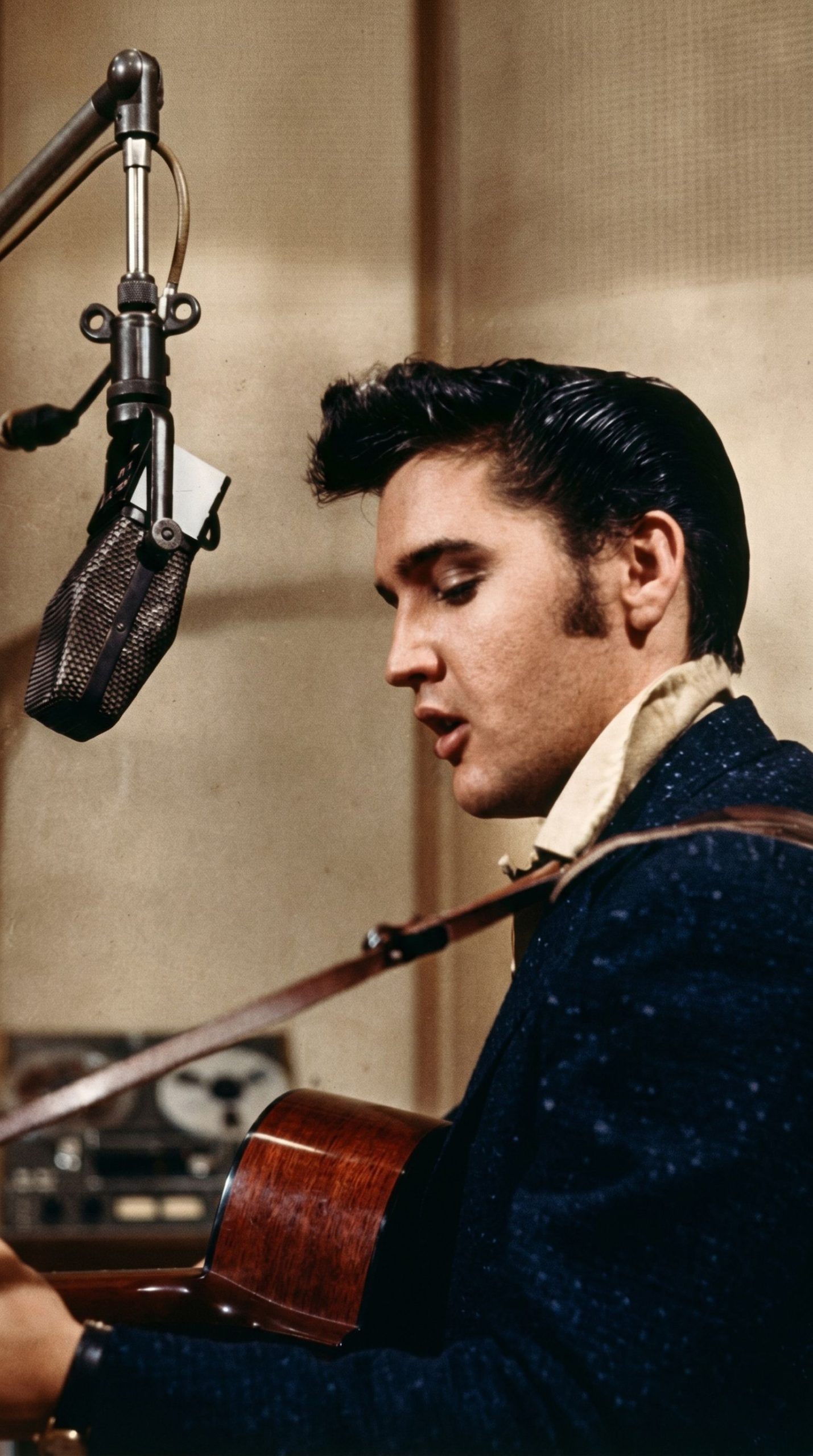
THE IMPOSSIBLE STANDARD SET BY ELVIS PRESLEY: Why the King of Rock ’n’ Roll Still Defines an Era
Few entertainers have left a mark on global culture as profound as Elvis Presley. Rising to prominence in the 1950s, Elvis became far more than a chart-topping singer—he emerged as an international symbol of change, innovation, and modern celebrity, influencing generations of musicians, filmmakers, and performers.
What made Elvis exceptional was not simply the number of records he sold or the crowds he attracted. It was his ability to bring together musical traditions that had often existed in separate worlds. By blending elements of rock and roll, country, rhythm and blues, and gospel, he introduced a style that resonated with audiences across social and cultural boundaries.
His impact extended beyond the recording studio.
Television appearances captivated millions, Hollywood films expanded his reach, and his unmistakable stage presence helped redefine what audiences expected from a live performer. From his signature movements to his fashion and charisma, Elvis became one of the first entertainers whose influence extended into virtually every corner of popular culture.
The scale of his fame also transformed the concept of celebrity itself. Long before the rise of the internet and social media, Elvis built a worldwide following through radio, records, movies, and television, demonstrating that an artist could become a truly global phenomenon through talent and mass media alone.
His influence can be seen in countless artists who followed. Performers across genres have cited Elvis as an inspiration, drawing from his confidence, vocal style, and ability to command an audience while developing their own unique identities. His example encouraged future generations to push creative boundaries and think beyond conventional expectations.
Of course, music history has produced many extraordinary figures, each contributing something distinctive to their era. Comparing artists across different decades and styles is inherently subjective, and every generation discovers new voices that redefine excellence in their own way.
Yet Elvis’s place in history remains singular because he arrived at a pivotal cultural moment and helped reshape it. He was not merely successful within an existing framework—he became one of the artists who changed the framework itself.
Today, decades after his passing, his recordings continue to attract new listeners, his performances remain widely viewed, and his influence is still evident throughout the entertainment industry. Museums, documentaries, and tributes around the world testify to the enduring fascination with both the man and his music.
Perhaps that is why one question continues to resonate with fans and historians alike: can anyone truly equal the legacy of Elvis Presley?
The answer depends on how greatness is measured. Many artists have achieved phenomenal commercial success or artistic acclaim, but Elvis’s unique combination of cultural impact, musical innovation, cinematic presence, and enduring public recognition places him in exceptionally rare company.
In the end, his greatest achievement may not be that he became the King of Rock ’n’ Roll, but that he helped redefine what it meant to be a global entertainer. More than half a century later, his legacy continues to inspire admiration, debate, and discovery—proof that some cultural icons transcend their own time and become part of history itself.