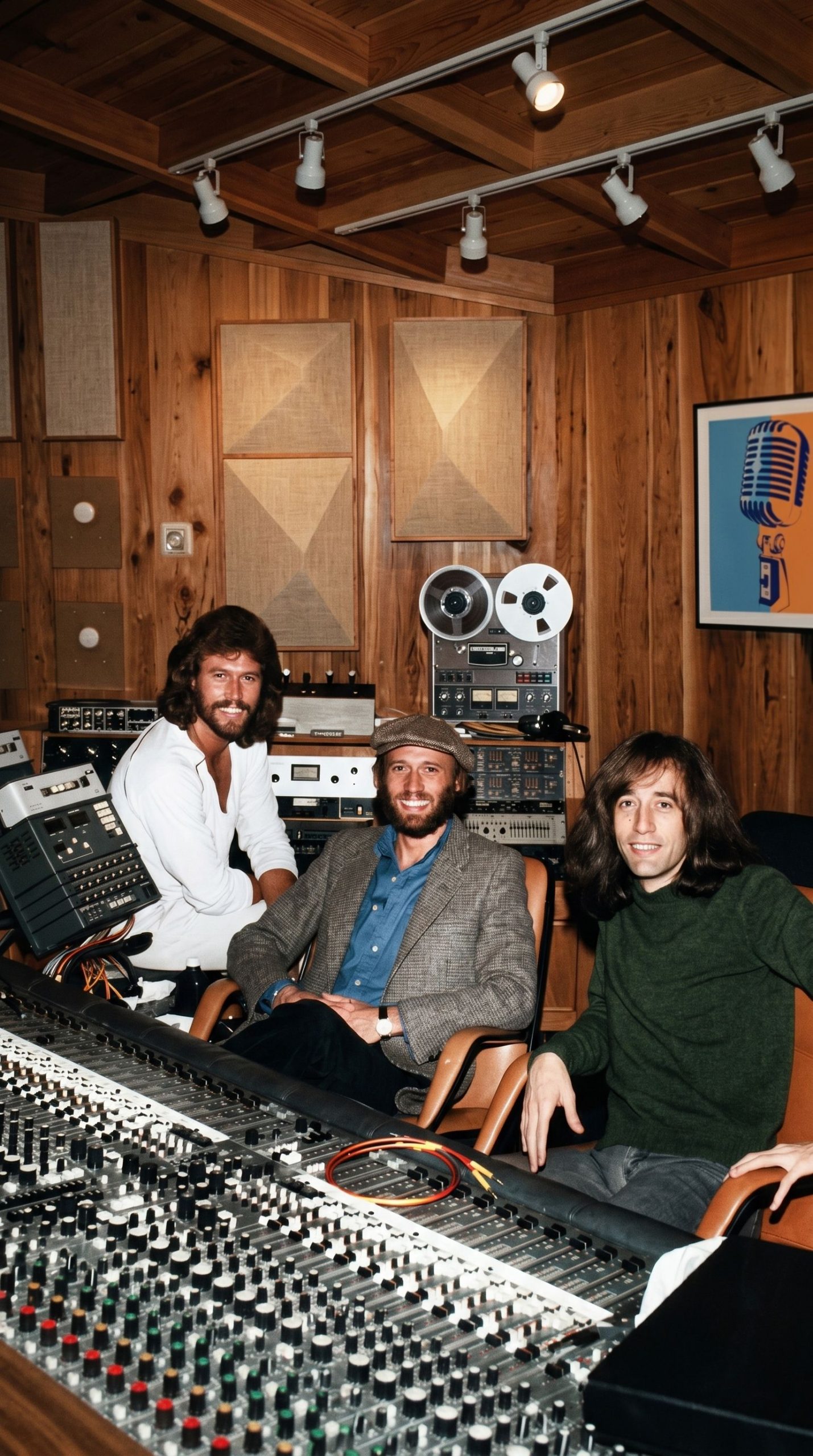
THE BEE GEES’ GREATEST STRENGTH WAS NEVER THE STUDIO: How “The Only Love” Reflected the Power of Brotherhood
Throughout their remarkable career, the Bee Gees became known for impeccable harmonies, unforgettable melodies, and some of the most sophisticated songwriting in popular music. Yet many longtime fans believe the trio’s greatest strength could never be captured by microphones or studio equipment.
It was the lifelong bond shared by brothers Barry Gibb, Robin Gibb, and Maurice Gibb.
That connection is beautifully reflected in “The Only Love,” a heartfelt ballad from the Bee Gees’ 1991 album High Civilization. While the song is polished and elegantly produced, its emotional impact comes from something deeper than arrangement or technique. The brothers’ voices blend with a familiarity and trust that only decades of performing—and living—together could create.
Rather than competing for attention, the three singers complement one another seamlessly. Barry’s expressive lead vocals are enriched by Robin’s distinctive tone and Maurice’s understated but essential harmonies, creating a sound that feels intimate and sincere.
The lyrics explore themes of devotion, hope, and enduring affection, and the Bee Gees deliver them with quiet conviction rather than theatrical excess. The result is a performance that resonates not because it is grand, but because it feels genuine.
For many listeners, “The Only Love” also serves as a reminder of the group’s remarkable versatility. Although the Bee Gees are often remembered for their disco-era successes, their catalog includes countless ballads that showcase their ability to communicate deep emotion through subtle songwriting and vocal interplay.
In hindsight, the song carries even greater significance.
Following the passing of Maurice Gibb in 2003 and Robin Gibb in 2012, recordings like “The Only Love” have taken on added emotional weight. Fans returning to the track today often hear not just a love song, but the sound of three brothers whose shared history and mutual respect shaped every note they sang together.
That sense of unity is what continues to distinguish the Bee Gees from many of their contemporaries. Their technical skill and commercial success were extraordinary, but it was the authenticity of their family connection that gave their music its enduring warmth.
More than three decades after its release, “The Only Love” remains an understated gem in the Bee Gees’ catalog. It stands as a testament to the idea that their most powerful instrument was never a guitar, a piano, or a recording studio—it was the extraordinary bond that united three brothers and allowed them to create music that continues to touch hearts around the world.